 All photographs →
Choose a photograph, then select it again to enter the project.
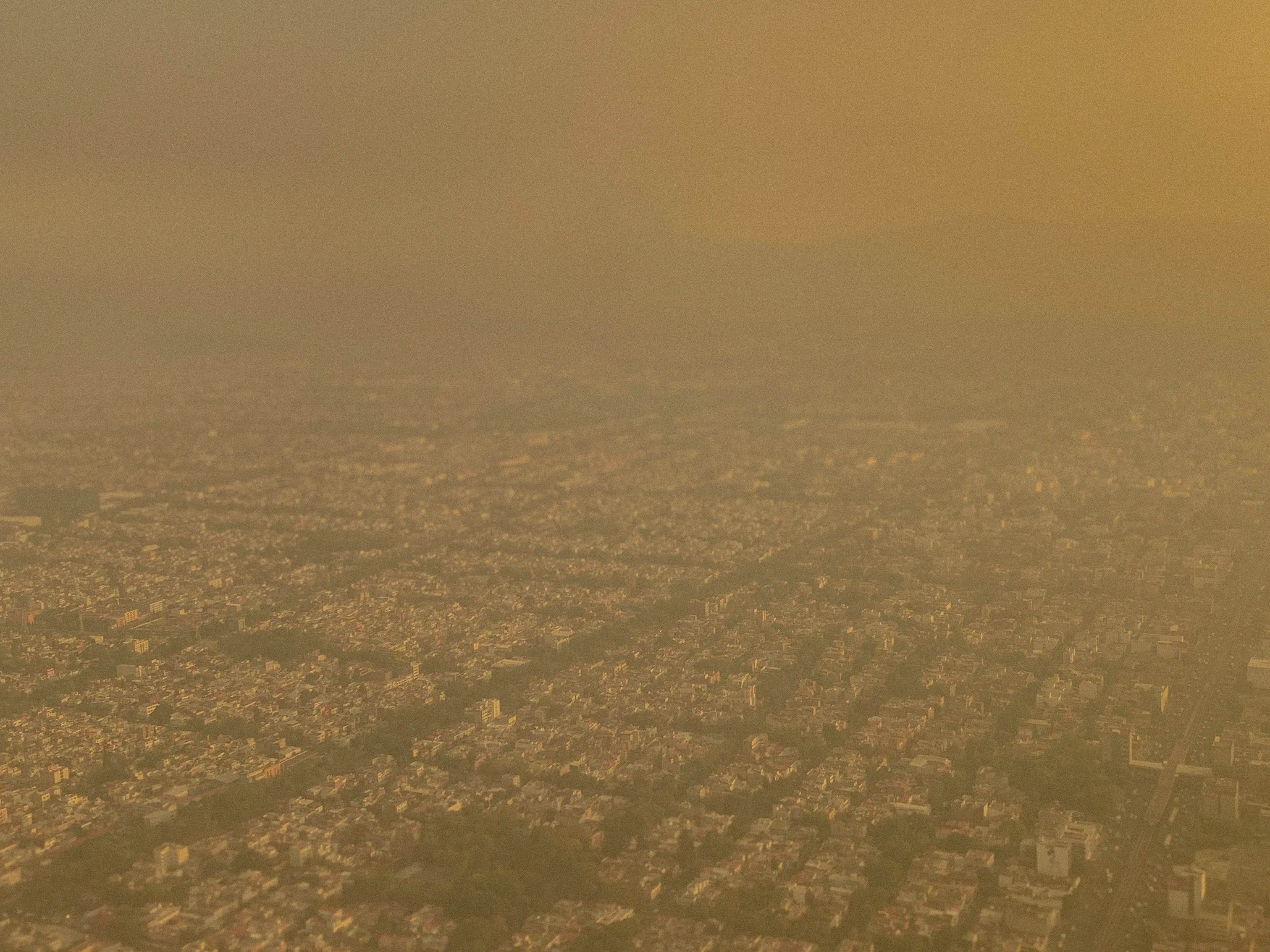
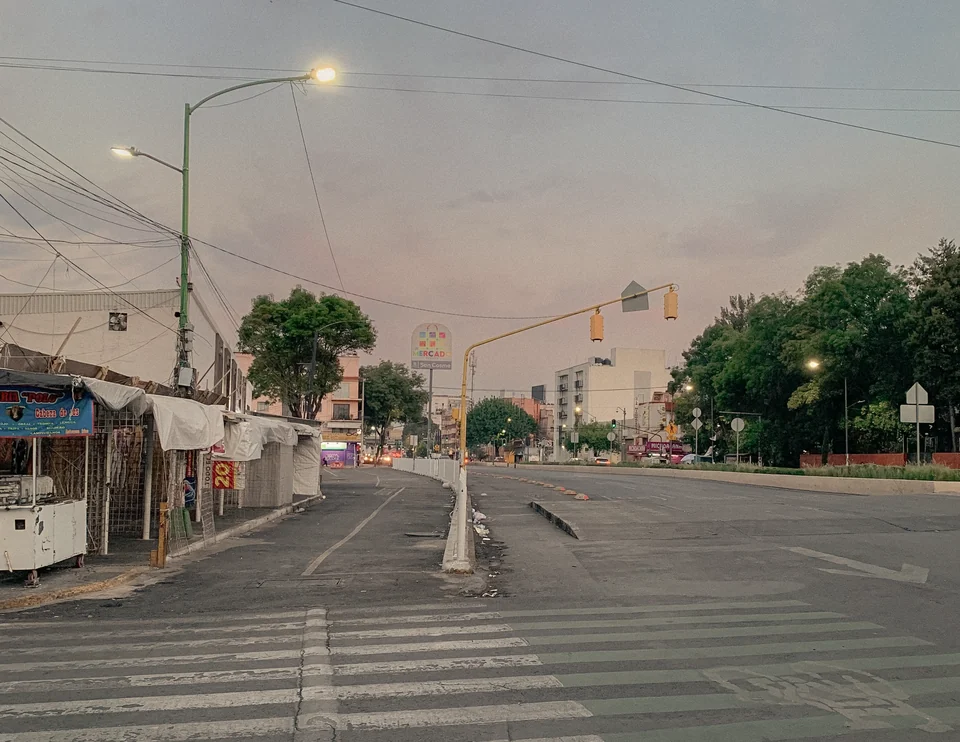
Mexico City · 2024


CITA / QUOTE
Identidad, ¿ser idéntico a qué? La identidad no existe. Sería un proceso de producción de subjetividad, máquinas de control social, político, cultural… La producción de subjetividad dentro de estas maquinarias me hace desconfiar en las etiquetas identitarias.
Identity—identical to what? Identity doesn’t exist. It would be a process of producing subjectivity, machines of social, political, cultural control… The production of subjectivity within these machines makes me distrust identity labels.


VOCES / VOICES
Amo estar en bikini todo el tiempo. Un día perfecto para mí es bañarme en tina, fumar bong, cocinar y pasar horas dibujando. Me encanta estar en casa; siempre pienso en que debo aprovechar mi renta al máximo. Otro de mis planes favoritos es comprar telas en el centro de la ciudad e ir a mi clase de costura en el Cecati. Amo chismear con mis amigas señoras.
I love being in a bikini all the time. A perfect day for me is taking a bath, smoking a bong, cooking, and spending hours drawing. I love being at home; I always think about making the most of my rent. Another of my favourite plans is buying fabrics in the city centre and going to my sewing class at Cecati. I love gossiping with my lady friends.


VOCES / VOICES
No existe UNA comunidad en México. El territorio y la gente presentan diferencias culturales importantes, no solo de un estado a otro, sino también de una colonia a otra dentro de la misma ciudad. La comunidad está en constante cambio y transformación, y yo con ella.
Las grandes urbes dentro del capitalismo siempre han promovido la competitividad sobre la comunidad. La Ciudad de México es cada vez más competida, ahora con la migración de países de primer mundo y mayor capital.
There is no single community in Mexico. The land and its people exhibit significant cultural differences—not just from one state to another, but even from one neighbourhood to the next within the same city. The community is in constant flux and transformation, and so am I.
Large cities under capitalism have always prioritised competition over community. Mexico City is becoming increasingly competitive, now with migration from first-world countries bringing greater capital.


VOCES / VOICES
Vivimos en un salvajismo puro, pero creo que es importante no temerle al conflicto ni a la confrontación, pues solo de la honestidad se pueden sacar cosas reales.
A veces siento que pertenezco, tanto que llego a confiar; y a veces siento que soy el enemigo al que todos buscan derrumbar.
We live in raw savagery, but I believe it’s important not to fear conflict or confrontation—because only through honesty can real things come.
Sometimes I feel like I belong—so much that I start to trust. And sometimes I feel like I’m the enemy everyone wants to bring down.


VOCES / VOICES
Siempre me ha costado responder quién soy y cómo me identifico. Siento que soy una persona mutable, me maravillo con algo y luego cambio de dirección, muy Géminis vibes. O soy así porque soy Géminis, aún no lo sé. Me considero curiosa, exploradora y me cuesta encasillarme en algo fijo.
Nací en Puebla, pero me considero de Xalapa, Veracruz, porque ahí crecí y viví 13 años. Llevo 12 años en la Ciudad de México, así que siento que pertenezco a ambos lugares.
I’ve always found it difficult to answer who I am and how I identify. I feel like I’m constantly changing—I become fascinated by something and then shift direction, very Gemini vibes. Or maybe I’m like this because I’m a Gemini—I still don’t know, haha. I see myself as curious and exploratory, and I struggle to fit into any fixed category.
I was born in Puebla, but I consider myself from Xalapa, Veracruz, because I grew up there and lived there for 13 years. I’ve now been in Mexico City for 12 years, so I feel I belong to both places.


VOCES / VOICES
¿Para exotizar una cultura? ¿Privatizar la tierra? ¿Robar recursos naturales? ¿Hacer tus proyectos con un tercio del presupuesto normal o sin pagar a los locales? O, por el contrario, ¿para tejer redes comunitarias, consumir y apoyar artistas y trabajadores locales, tomar conciencia del impacto de tu país en este territorio y generar lazos internacionales de apoyo a comunidades disidentes y marginales?
La cultura mexicana es abierta y acepta a quien quiera vivirla, cuidarla y amarla. Si amas a México y su cultura, haz algo al respecto.
To exoticise a culture? To privatise land? To exploit natural resources? To run your projects on a fraction of the budget or without paying local workers? Or, on the contrary, to build community networks, support local artists and workers, become aware of your country’s impact on this land, and forge international bonds of solidarity with marginalised communities?
Mexican culture is open and welcomes those who want to live it, care for it, and love it. If you love Mexico and its culture, do something about it.


VOCES / VOICES
Soy de Guadalajara, de Tapalpa, de Ciudad Guzmán. También soy de la CDMX, de Mérida y de La Paz. Me he movido toda mi vida y me cuesta entenderme como parte de un solo lugar, pero nací en Guadalajara. Me gusta pensar que también pertenezco a los lugares donde, ya adulta, elegí vivir.
I am from Guadalajara, from Tapalpa, from Ciudad Guzmán. But I am also from Mexico City, from Mérida, and from La Paz. I’ve moved around my whole life, and I struggle to see myself as belonging to just one place—though I was born in Guadalajara. I like to think I also belong to the places where, as an adult, I chose to live.


VOCES / VOICES
Me encanta la diversidad, y tengo amistades de muchas partes que valoro mucho. Pero cuando pienso en lo que el “extranjerismo” genera, también reconozco lo complejo. En lugares como Mérida y la CDMX, la gentrificación ha desplazado a mucha gente de manera grosera y violenta, especialmente por parte del norte global. Y, por otro lado, ver a personas migrantes en situación de calle y discriminación por falta de estrategias de apoyo me conmueve profundamente. Es un tema muy amplio, pero ahí va una parte de lo que pienso.
I love diversity, and I have friends from all over who I value deeply. But when I think about what “foreignness” brings, I also see the complexity. In places like Mérida and Mexico City, gentrification has displaced a lot of people in very aggressive and violent ways, especially by those from the global north. And then there’s the sight of migrants living on the streets and facing discrimination because there are no support strategies in place—something that moves me deeply. It’s a vast issue, but that’s part of what I think.


VOCES / VOICES
Las fronteras son una construcción imaginaria, pero su impacto es real. La desigualdad global marca quién puede moverse libremente y quiénes no. ¿A quiénes vemos como turistas y a quiénes señalamos como migrantes? ¿Quiénes son migrantes dignos y a quiénes juzgamos como criminales? En México, la presencia de personas extranjeras se vive de maneras muy distintas. Hay quienes llegan del norte global con una postura extractivista, apropiándose de espacios sin involucrarse realmente, pero también hay quienes vienen del sur global huyendo de contextos aún más violentos, buscando refugio y nuevas oportunidades. La diferencia en la forma en que son recibidos y tratados deja ver las jerarquías raciales y económicas que siguen operando en nuestro día a día.
Borders are an imaginary construct, yet their impact is real. Global inequality dictates who can move freely and who cannot. Who do we see as tourists, and who do we label as migrants? Who is deemed a “worthy” migrant, and who is judged as a criminal? In Mexico, the presence of foreigners is experienced in vastly different ways. Some come from the Global North with an extractivist mindset, taking over spaces without truly engaging, while others come from the Global South, fleeing even more violent conditions, searching for refuge and new opportunities. The way these groups are received and treated exposes the racial and economic hierarchies that continue to shape our everyday lives.


VOCES / VOICES
Les llamo privilegios, pero en realidad muchos son derechos a lxs que todxs deberíamos poder acceder, la diferencia de experiencias al hablar con otrxs me hicieron ver que la realidad con la que crecí fue una burbuja de comodidad que existía a costa del trabajo de otrxs.
Si quería mantener esa comodidad, necesitaba sostener el pacto de la blanquitud. Un pacto del que estoy segura aún sigo siendo en parte cómplice por el simple hecho de nacer en la familia adecuada y en las circunstancias favorables, capitalismo le llaman.
I call them privileges, but really, many are rights that everyone should have access to. Speaking with others and hearing about their experiences made me realise the life I grew up with was a comfort bubble built on the labour of others.
If I wanted to maintain that comfort, I had to uphold the pact of whiteness—a pact I’m sure I’m still partly complicit in, simply by being born into the right family and favourable circumstances. That’s what they call capitalism.


