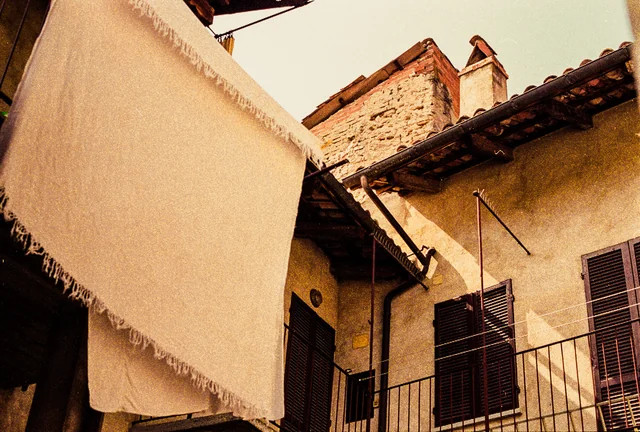
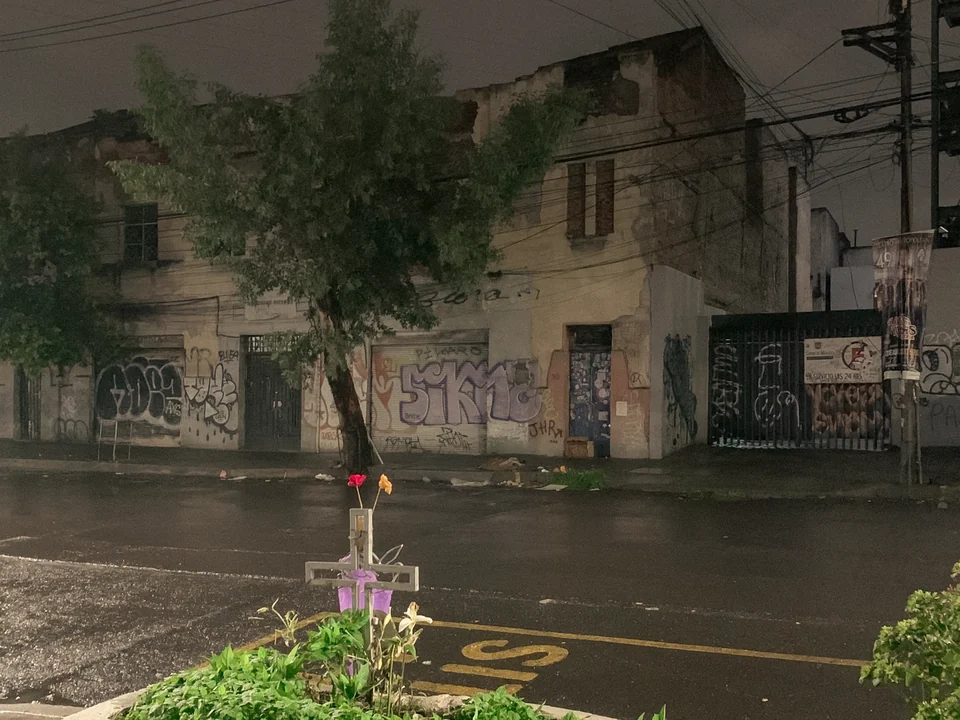
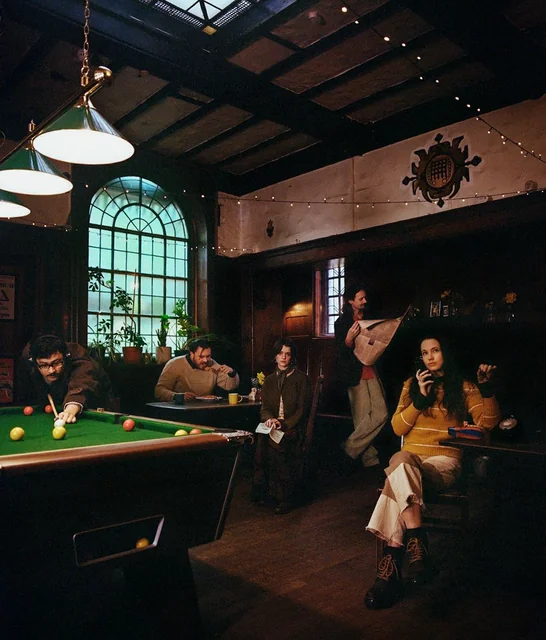
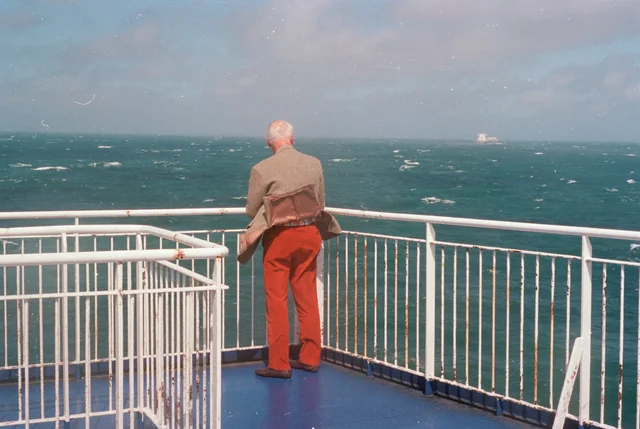
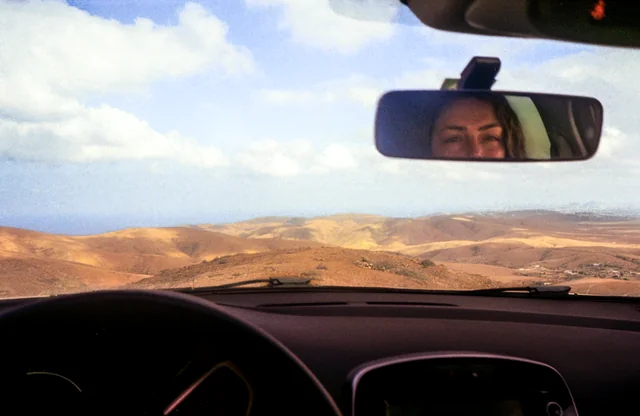
This work began with a commission from ADISH, undertaken with substantial freedom to develop the campaign’s visual direction and tell the story of its context. At the time, the brand brought together Israeli and Palestinian partners, working with Palestinian embroiderers and other makers. Across photographs, film and writing, the project explored the relationship between the clothes, the people involved in their production and the unequal conditions imposed by occupation.
Made in the West Bank in 2018 for ADISH’s Spring/Summer 2019 collection, AREA A brings together photographs, film, interviews and an essay by Sonya Carassik Ratty.
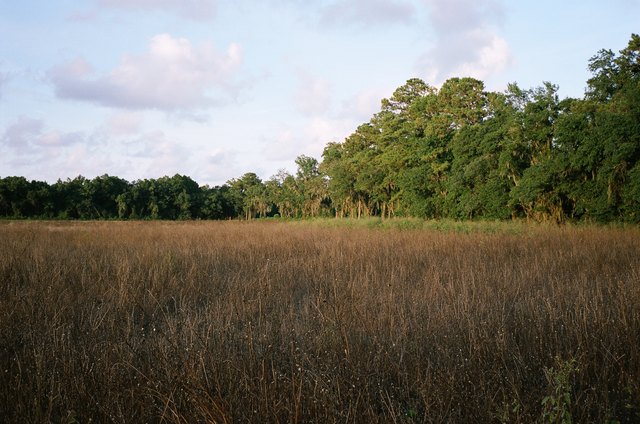
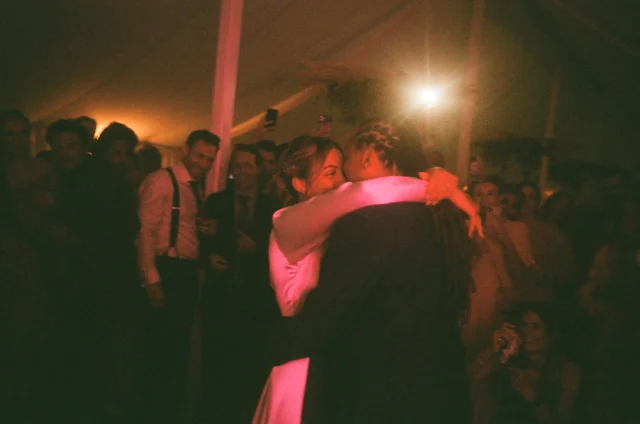
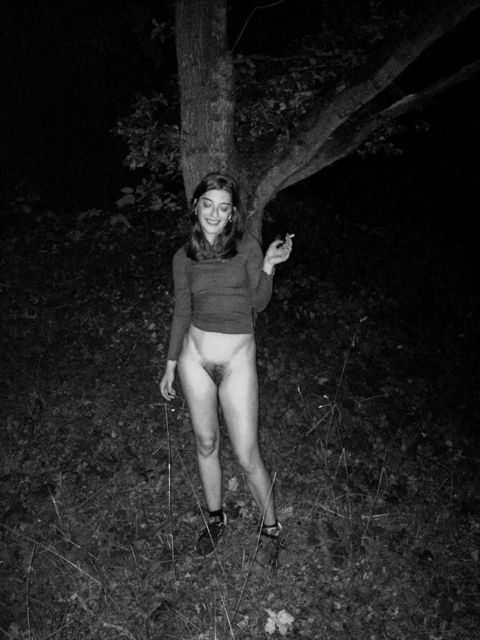
The collection paid homage to Palestinian taxi drivers. Taking this as a starting point, the photographic approach placed Palestinian people and the landscape of occupation at the centre of the campaign. Young Palestinian creatives modelled the clothes, while photographs of drivers, embroidery groups, workshops and landscapes connected the collection to the conditions of everyday life. Sonya’s writing and interviews extended this account through the experiences of people involved in production.
The work directly addressed restrictions on Palestinian freedom of movement imposed by Israeli forces and the wider system of occupation. Following the journeys between makers and workshops revealed how checkpoints, walls, settlements and restricted roads shaped both the production of the clothes and the lives of the people making them.
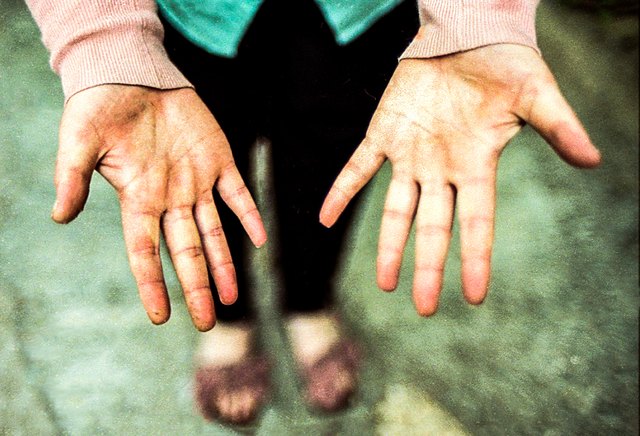
Garments passed between workshops and embroidery groups through a network of uncertain journeys. Short distances could take hours; a piece requiring further work might have to make the same difficult passage again. Access depended on permits, identification and routes that were not equally available to everyone. The finished garment brought together labour and materials across a geography structured by separation.
Making the photographs, film and writing meant negotiating these conditions too. Movement and access shaped where the work could be made and which encounters were possible. The restrictions experienced during a visiting production differed from those governing the daily lives and labour of the people represented. The practical work of arranging encounters and journeys was accompanied by continuing discussions about how the work would be presented and understood.
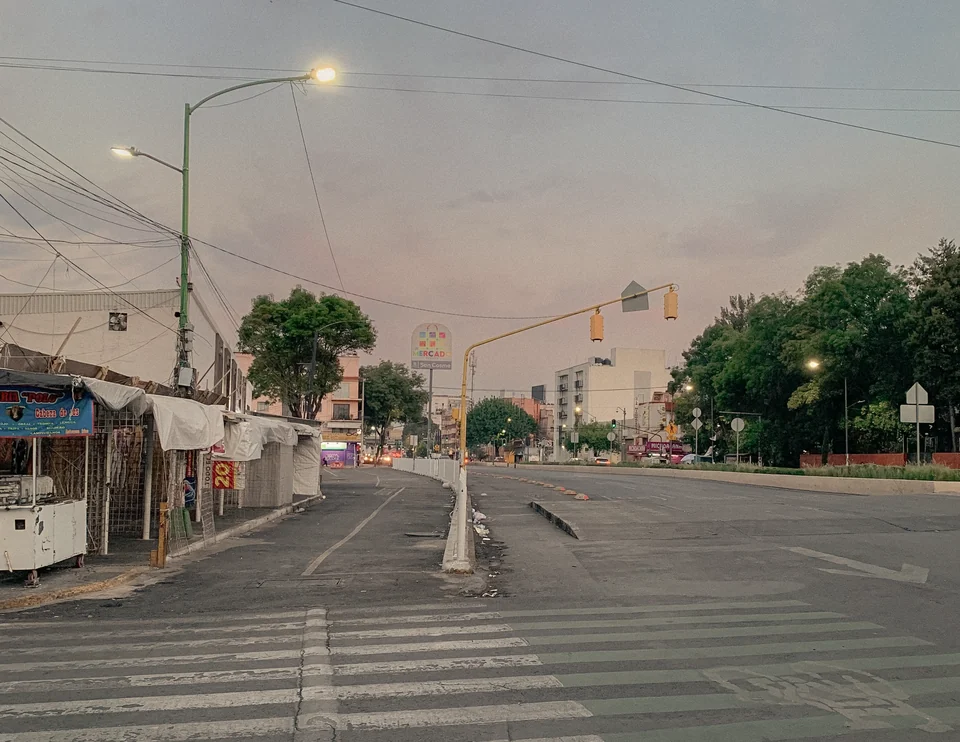
The project addressed occupation through the organisation of space: settlements, dividing roads and the built fabric of refugee camps. At times, a figure occupies only a small part of the frame, placing the scale of an individual—and of the brand—against the power structures surrounding them. Style, friendship and imagination also remain present, allowing space for lives that cannot be understood through restriction alone.
In Apart at the Seams, Sonya follows a garment through the hands and journeys involved in its making. Her essay connects the knowledge of Palestinian embroiderers and the historical significance of tatreez with the geography of production, tracing how political conditions enter material decisions. It also records the makers’ insistence on identifying their craft as Palestinian and their caution about its appropriation.
The project encountered differing expectations of what fashion could achieve. One of the embroiderers described the possibility of someone in New York seeing her tatreez, asking where it came from and learning something about its meaning. For her, that prospect of understanding had value. It was a concrete possibility of connection, grounded in the work she made.
Yet the same circulation that could bring recognition to her craft could also detach it from the conditions of its making. Within an industry organised around novelty, exclusivity and status, Palestinian embroidery could become desirable without the lives, histories and political circumstances it carried receiving comparable attention. A garment might prompt questions; it might equally be consumed without them. Visibility offered a possibility of understanding, rather than evidence that understanding or change had followed.
For the embroiderers, these questions were bound to the practical circumstances of work: earning an income, sustaining a craft and having its Palestinian origins recognised, while navigating the sensitivities of working with an Israeli–Palestinian brand under occupation. Their participation could not be taken as proof that the relationship was free of inequality. Nor should scrutiny of that inequality erase their own assessments of what the work offered.
ADISH’s stated ambition to build cooperation through production while acknowledging Palestinian craft and finding ways to oppose occupation therefore raised questions that the campaign could not resolve. What could fashion’s reach make possible, and what might its commercial priorities obscure? Recognition of Palestinian craft, a livelihood for its makers and a challenge to the structures of occupation were related ambitions, but they were not interchangeable achievements. The photographs and film were also part of this circulation, and carried their own responsibility for how people, places and labour were represented.
These tensions shaped negotiations over the campaign’s public presentation: how to retain an explicit account of occupation while communicating the brand’s ambitions without treating the clothes as evidence that those ambitions had been fulfilled. Through photographs, testimony, essay and film, AREA A sought to keep the people, labour and conditions of production present within the campaign. Its account of cooperation belongs to the circumstances and aspirations of the time in which it was made.
The project was presented at Dover Street Market London in May 2019.
Instagram campaign
Sea of Sand / Lakiya
The subsequent work followed ADISH’s collaboration with Bedouin women weavers in Lakiya, in the Naqab/Negev. It continued the attention to material processes, connecting the finished garment with the knowledge, labour and historical context of its making.
Directed by Ryan O’Toole Collett, with film and music by Grimshaw Mink, the film was presented at Dover Street Market New York and Los Angeles in 2019.